
Do You Need a License to Ride a Talaria? Every Scenario Answered
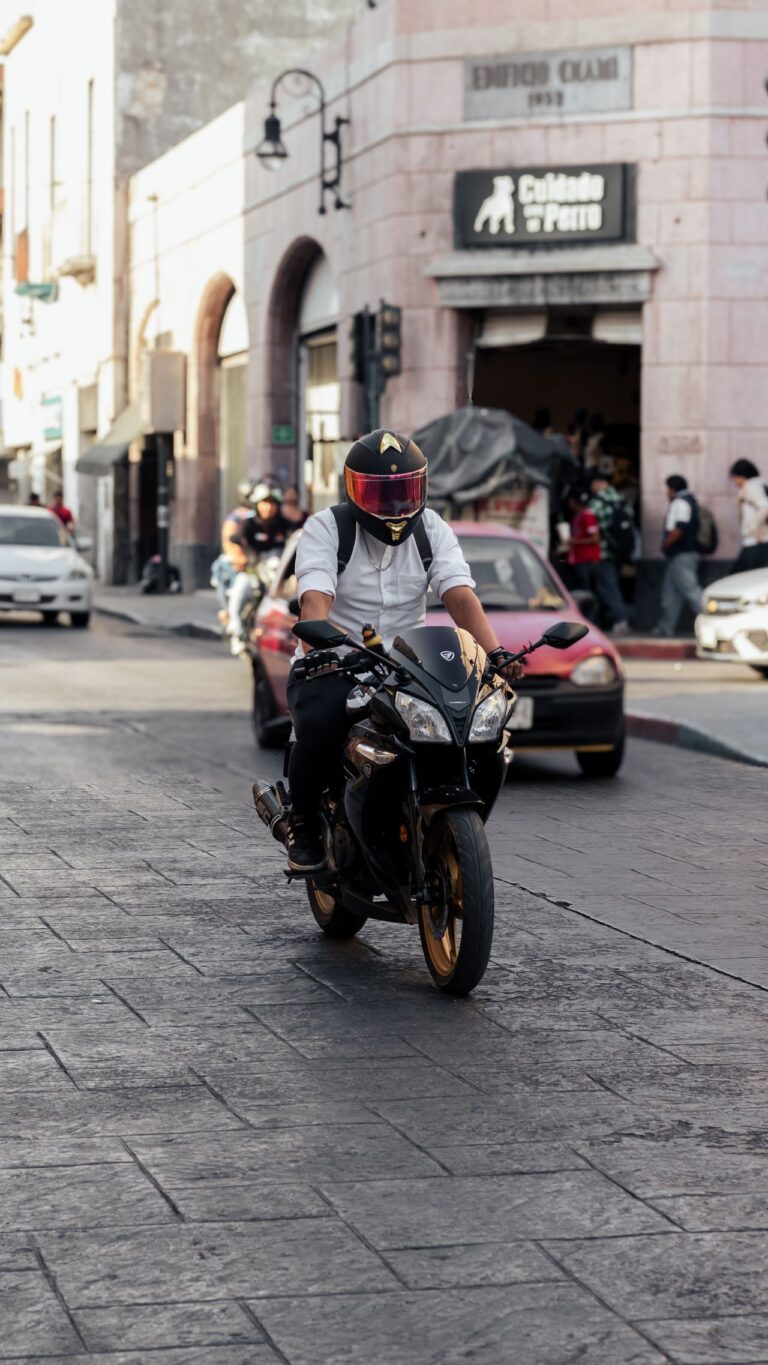
Off-road: generally no license. Road-legal L1E: usually moped-class. L3E: motorcycle license. Every Talaria licensing scenario answered, including teens, OHV parks and insurance.
Street legality, licensing, registration and where you can ride electric dirt bikes.
Off-road: generally no license. Road-legal L1E: usually moped-class. L3E: motorcycle license. Every Talaria licensing scenario answered, including teens, OHV parks and insurance.
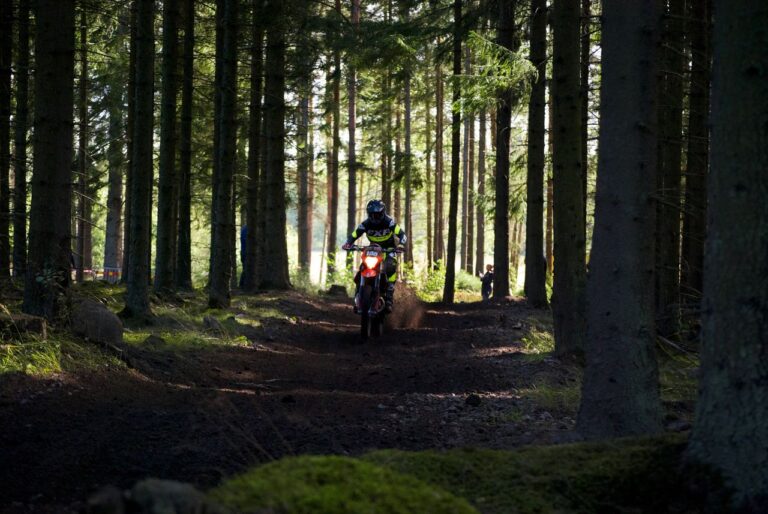
Private land, OHV parks, MX tracks, trail networks — and the places that get bikes impounded. The complete legal-riding map for electric dirt bikes, plus how quiet bikes are opening new doors.
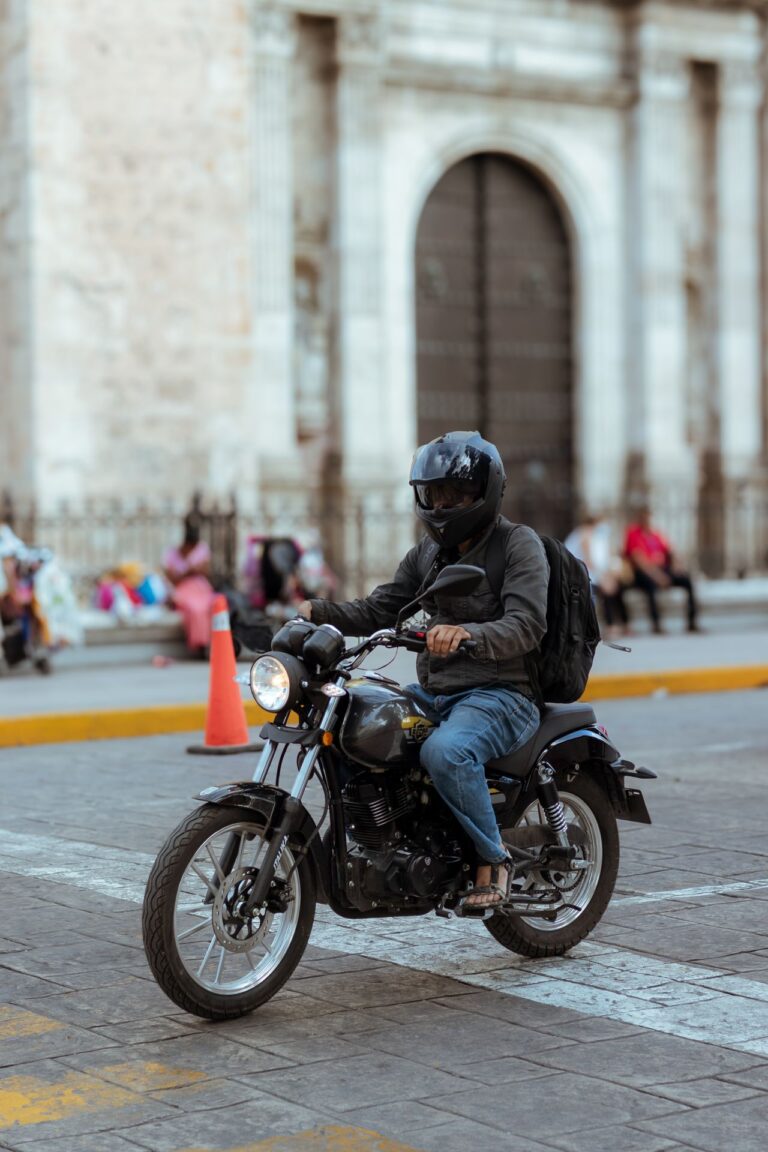
Bought a Sting L1E or L3E? Here is the registration walkthrough: the documents that ship with the bike, what the licensing office needs, insurance, plates and the snags to avoid.

Riding a Talaria in a bike lane is illegal virtually everywhere — bike lanes are for bicycles and low-power e-bikes, and a 6 kW electric motorcycle is neither. Here is the reasoning and your real options.
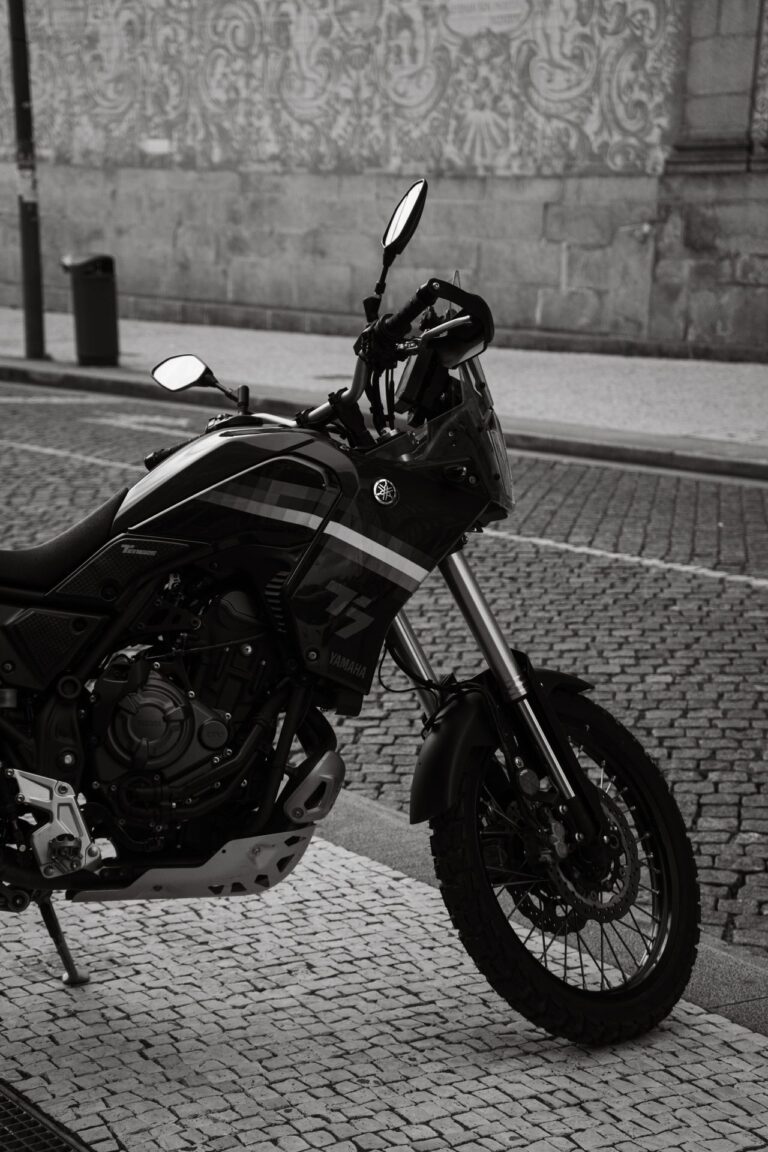
The Talaria X3 is not an e-bike class 1/2/3 machine — with 6 kW peak power and 47 mph capability it is an off-road motorcycle. Here is what that means for where you can ride and what applies legally.
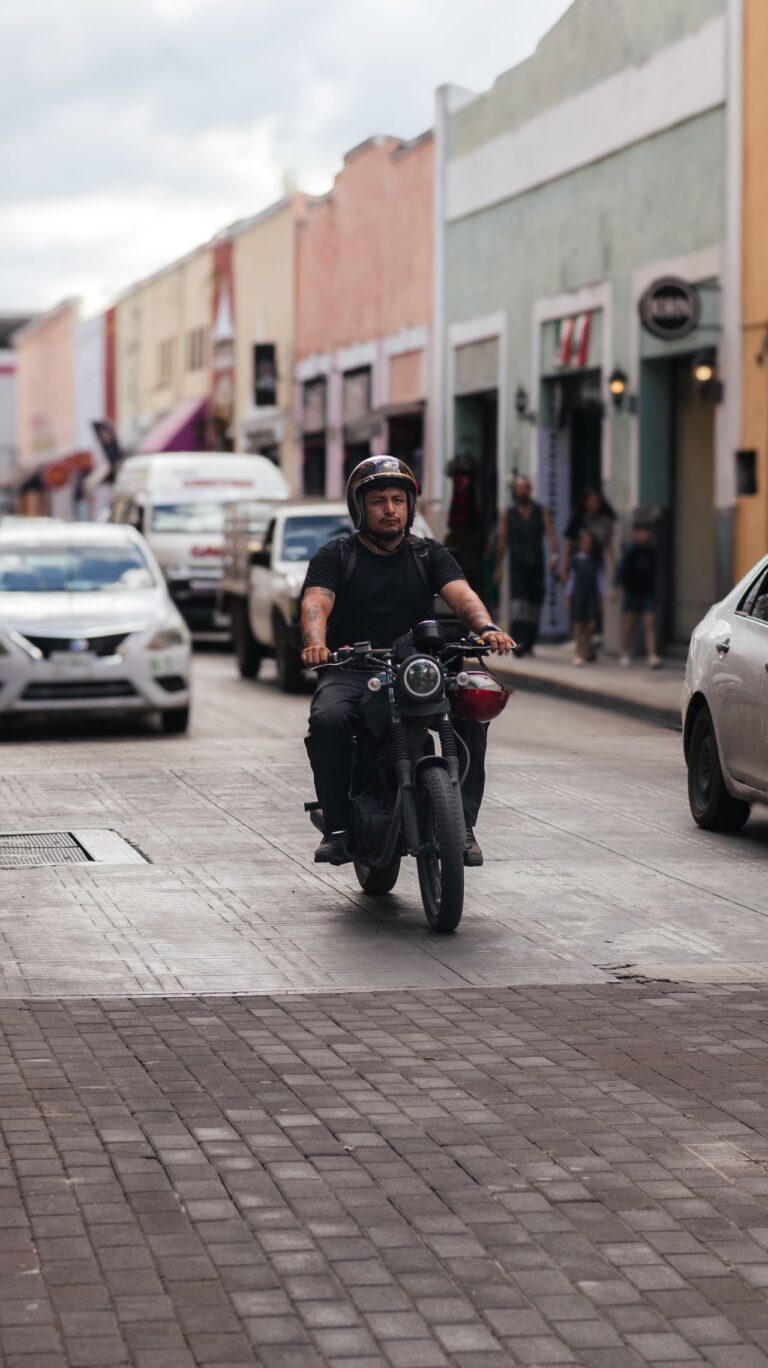
Most Talaria models are off-road only, but the Sting L1E and L3E ship road-homologated. Here is which models can be registered, what the law generally looks at, and how to check your local rules.