
Talaria X3 vs Sting MX3: The $600 Question Answered
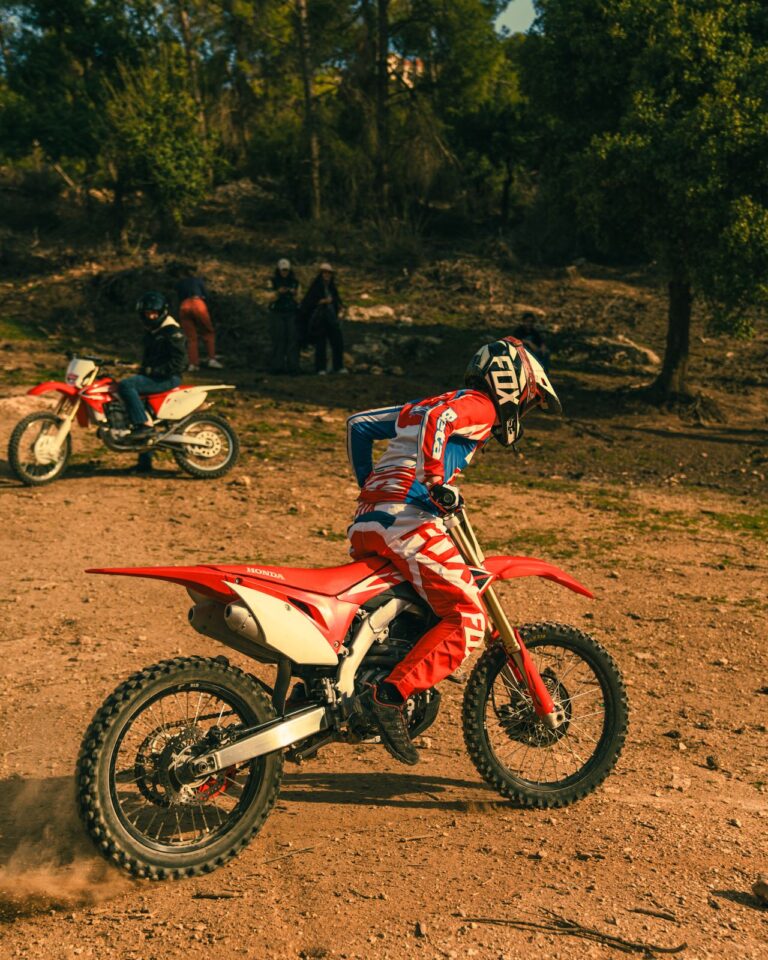
X3 or Sting MX3? They share 6 kW and 47 mph but differ in drivetrain, geometry and $600. A direct comparison that tells you which one your riding actually needs.

X3 or Sting MX3? They share 6 kW and 47 mph but differ in drivetrain, geometry and $600. A direct comparison that tells you which one your riding actually needs.
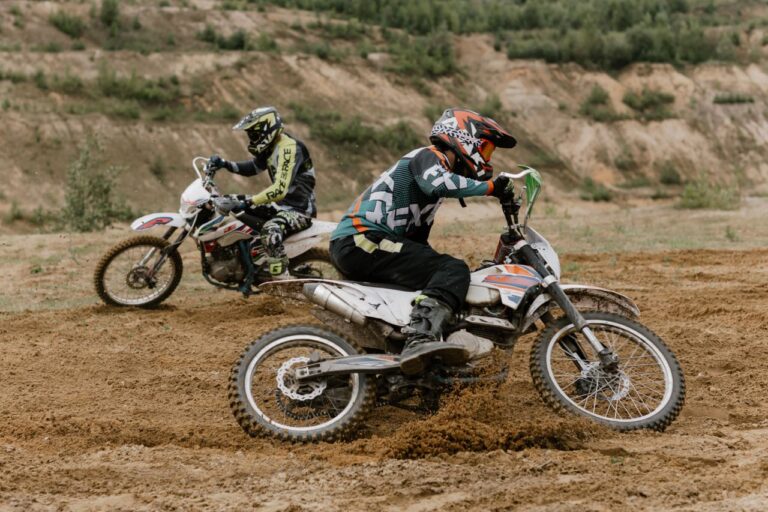
Talaria vs Sur-Ron is the defining rivalry of light e-motos. Drivetrain, battery, chassis and price compared honestly — including where each brand genuinely wins.

Tires transform a Talaria more than any electronic upgrade — instant torque demands rubber that hooks up. The right choices for trail, sand, hardpack, supermoto and mixed riding.
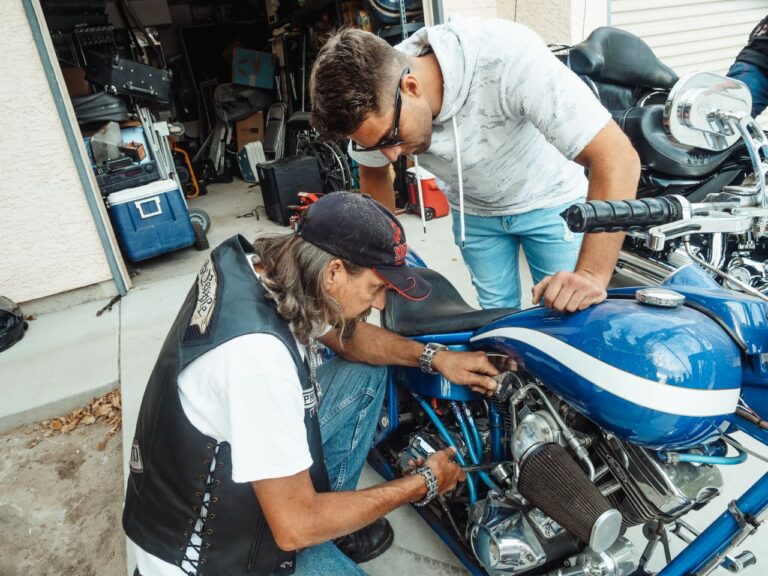
A rear sprocket swap is the cheapest performance change on a Talaria — a few teeth either way reshapes the whole bike. How gearing works on electric drivetrains and which setup fits your terrain.
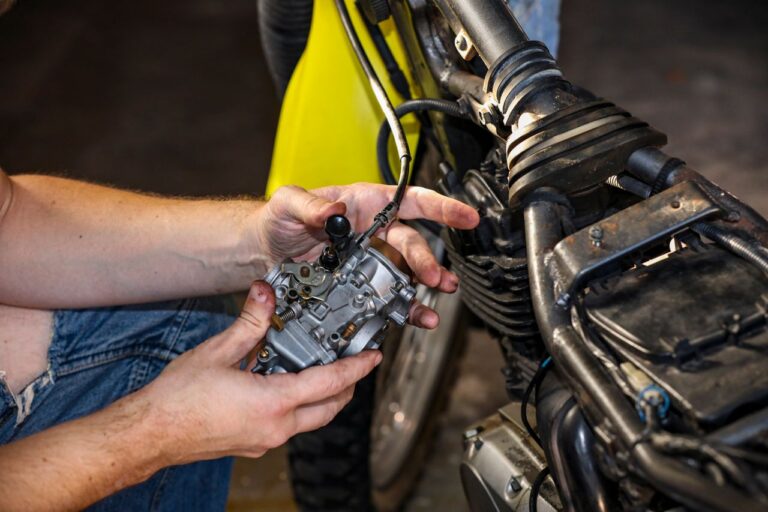
The controller is the single biggest performance unlock on a Talaria. How the EBMX X-9000, Nucular and KO Moto Rush upgrades compare on power, tunability, price and installation reality.
A Talaria that will not power up is almost always one of six things — and four of them cost nothing to fix. Work this checklist in order before assuming the worst.
The chain is the hardest-working consumable on a Talaria — instant electric torque is brutal on drivetrains. Correct tension, the right lube schedule, and the wear signs that mean replacement.
Your Talaria battery is the most expensive part of the bike. Ten charging and storage habits — grounded in lithium chemistry — that decide whether it lasts three years or seven.

Dealer review of the Talaria X3: 6 kW, 47 mph, 2.4 kWh removable battery, 125 lb, from about $2,000. The most accessible real dirt bike in the range — and the few places the price shows.
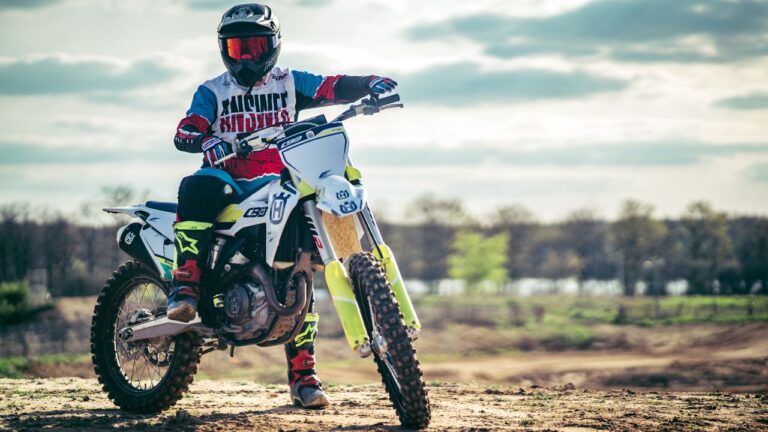
Dealer review of the Talaria Dragon: 28 kW, 70 mph, a 5.2 kWh battery and 220 lb of genuine motorcycle from $4,200. The pick for riders who measure rides in hours, not laps.